
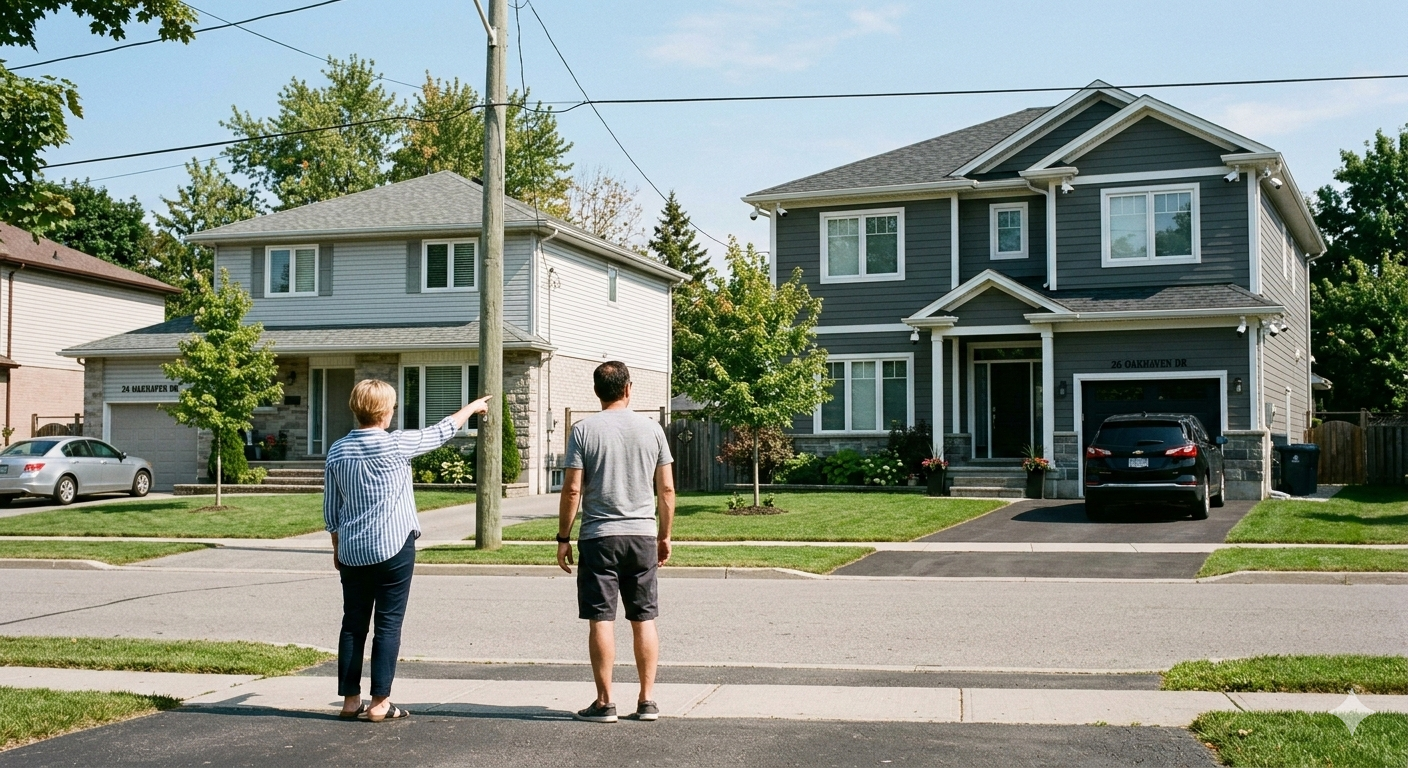
Installing home security cameras is one of the most effective ways to protect your property. Modern systems from companies like Lowkeys Security make it easier than ever to monitor your home from your phone, deter crime, and gain peace of mind.
But while security cameras protect your household, they can also raise concerns — especially when they’re positioned near neighbouring properties. If not handled thoughtfully, a well-intentioned security upgrade can unintentionally create tension.
Here’s how to approach CCTV installation ethically and respectfully.
Be Considerate of Your Neighbours
Before installation even begins, take a moment to view the project from your neighbour’s perspective.
Security cameras can look intrusive. Even if your intention is purely to monitor your driveway, entry points, or yard, a camera mounted high on a wall may appear to be watching next door. Perception matters just as much as reality.
A good rule of thumb: if the placement looks like it’s directly facing someone else’s property, consider whether there’s a better location available.
Placement Matters
Camera positioning is everything.
- Looking across part of a neighbouring yard is usually unavoidable — and generally acceptable — particularly in suburban environments where properties are close together.
- However, installing a camera at close proximity to a neighbour’s house and pointing it directly at their window or private living area is far more likely to create issues.
Even if you have no intention of invading privacy, that positioning can feel invasive.
When planning your system, aim cameras at:
- Your entry points
- Your driveway
- Your garage
- Your fence line
If you can adjust an angle slightly to avoid directly capturing a neighbour’s window or doorway, do it. Small changes make a big difference.
If You See a Potential Issue — Talk First
If you think there’s even a small chance your neighbour may feel uncomfortable, the best approach is simple: talk to them before installation.
Explain:
- Why you’re getting cameras
- Where they’ll be placed
- What areas they’re meant to cover
Form a plan together and agree on positioning. This avoids misunderstandings and builds trust.
Your neighbour should ideally feel reassured — not stressed — that you’re improving security. After all, visible security cameras often benefit the entire street by deterring suspicious activity.
Use Privacy Screening Features
Modern CCTV systems often include privacy masking or privacy screening features. These allow you to digitally block out specific areas of the camera’s view — such as a neighbour’s yard or window — even if the lens technically captures that direction.
This is particularly helpful in situations where:
- Houses are close together
- Avoiding part of a neighbouring yard is physically impossible
- You need wide coverage for your own property
Privacy masking demonstrates goodwill and makes it clear you respect boundaries.
Show Them the Live View
One of the most effective ways to ease concerns is transparency.
Once installation is complete, invite your neighbour to see the live camera feed on your phone app. It’s surprisingly difficult to judge exactly what a camera can see just by looking at it from the outside.
When they see:
- The limited field of view
- The angle
- The masked areas
It often eliminates suspicion immediately.
Prevent Disputes Before They Happen
There is almost always a solution to concerns about camera placement.
Resolving potential disagreements before installation saves everyone time and money. The last thing you want is a costly revisit from the installer to relocate or remove equipment after tensions arise.
Clear communication upfront prevents unnecessary stress.
Work With Installers Who Understand Privacy
Professional installers should understand that security and privacy must coexist.
Reputable providers like Lowkeys Security recognise that making neighbours feel comfortable is part of a responsible installation. During planning and installation, they should actively look for ways to avoid privacy issues wherever possible.
Be a Good Neighbour
At the end of the day:
- You’re not installing cameras to watch your neighbours.
- You’re installing them to protect your home and family.
- Your upgrade shouldn’t make others feel like they’re being monitored.
Be respectful. Communicate clearly. Sell them on the benefits — increased neighbourhood safety, deterrence of theft, and added peace of mind.
Good security protects everyone. Good neighbours make sure it feels that way.
With thoughtful planning and open conversation, CCTV can strengthen community safety — not strain it.
Comments are closed